The bar isn’t a banner. It’s behaviour.
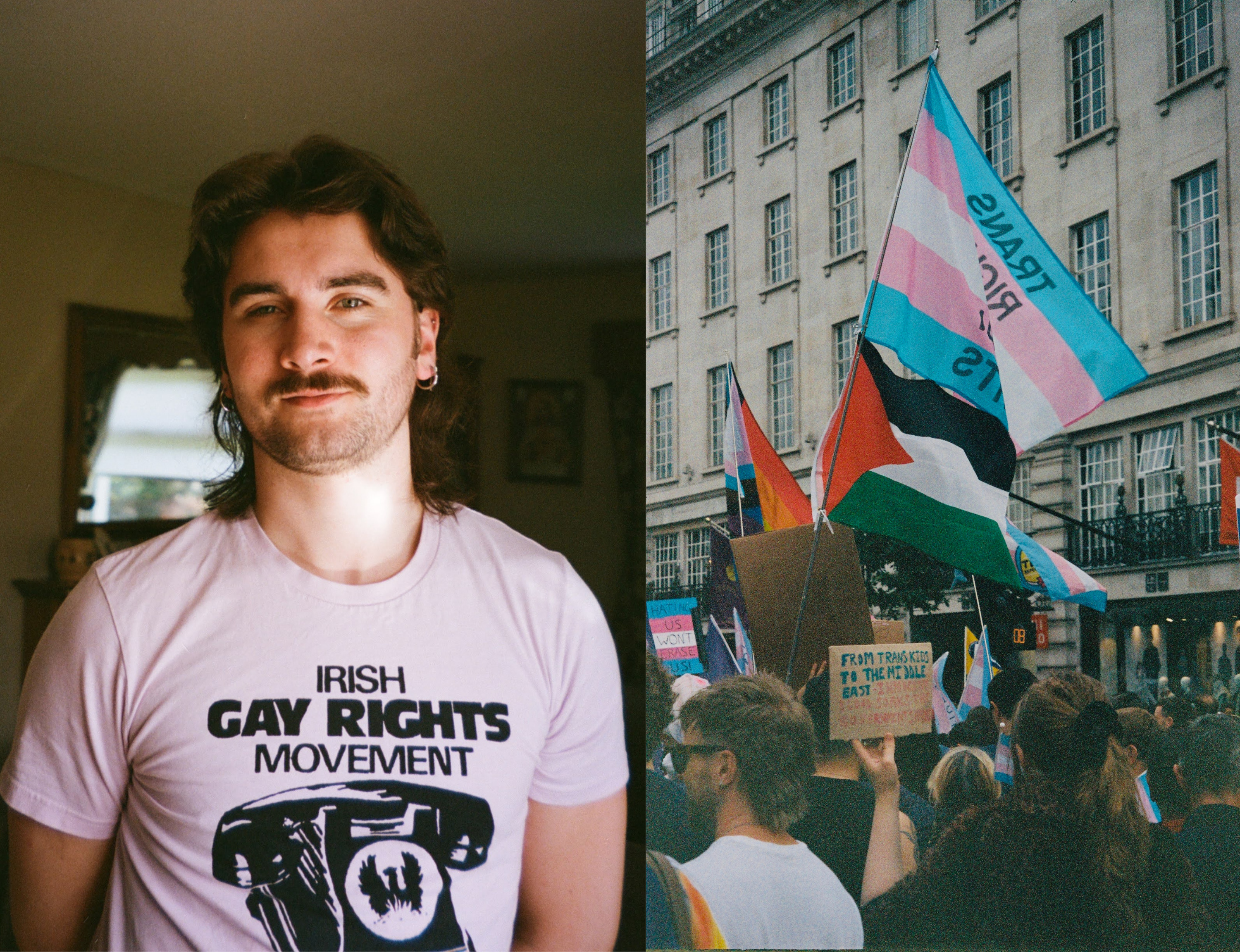
Words by Brian Lyng, Harris PR’s Creative and Strategic Lead
I was 17 the first time I went to Dublin Pride. I’d come up from Kilkenny for the day with a small group of close friends, the only people who knew, at that point, that I was gay. I wasn’t out publicly. Not at school, not to my family. But I was in Dublin, the sun was shining, and there were thousands of LGBTQ+ people and allies filling the streets in a way I had never seen in my life.
What I remember most isn’t a specific float or a speech. It’s the sheer scale of it. Seeing people like me, and people far beyond me, much more visible and vulnerable than I was, celebrated with total abandon. I remember the brands. The familiar, everyday logos I’d grown up with, suddenly wearing the rainbow. It mattered to me then. Not because a corporate float was going to dismantle structural homophobia, but because at 17, seeing mainstream Ireland loudly say yes, you exist, and we see you was quietly transformational.
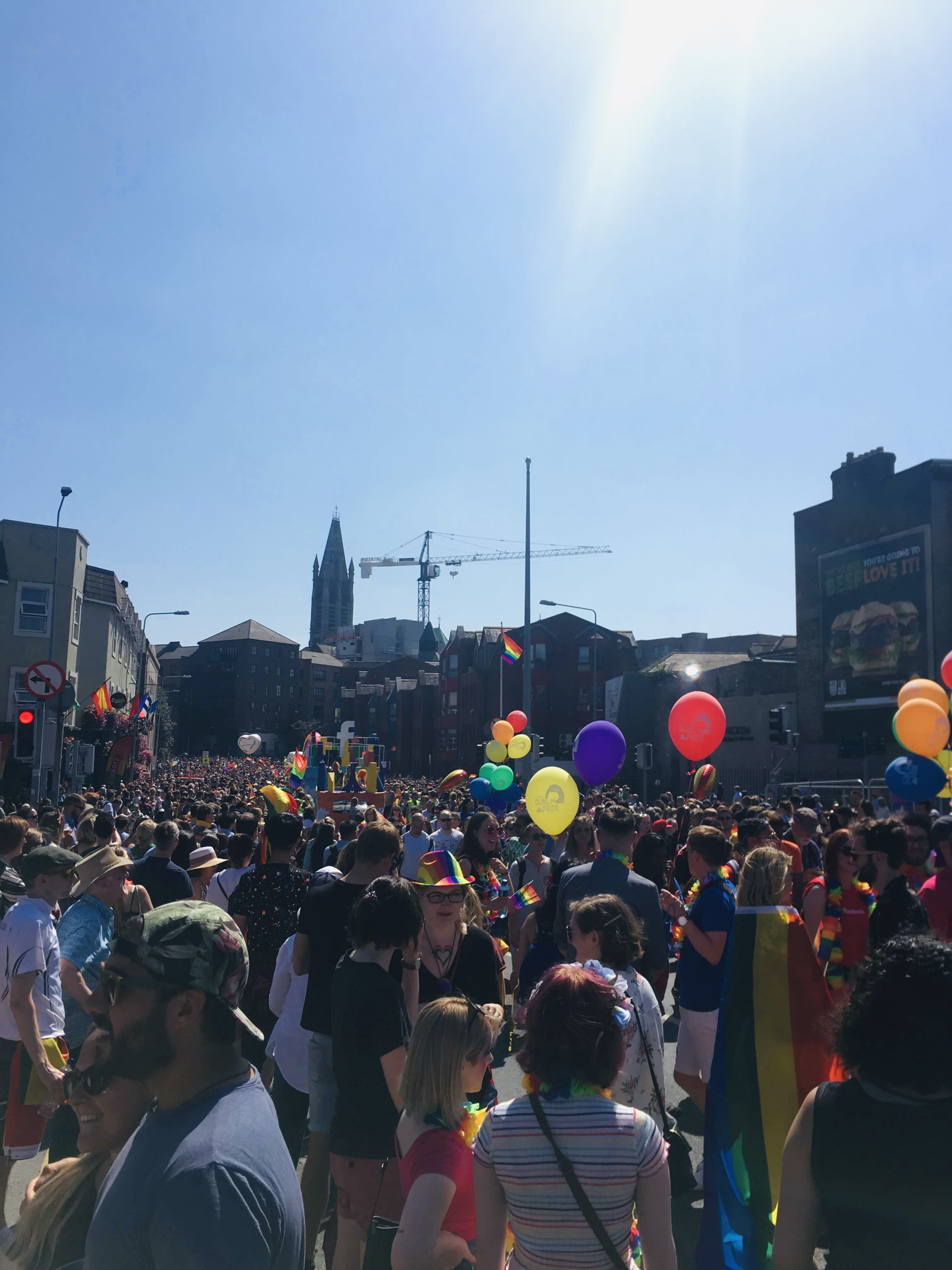
That first Pride happened around the Marriage Equality Referendum. The energy was electric; 62 percent of the country voted Yes, neighbours knocked on doors, and the diaspora flew home. There was a collective sense that Ireland was choosing to be something different, something better. It felt like a genuine turning point.
But turning points are only irreversible if you keep moving forward and stand to protect them.
The years that followed have been complicated, to say the least. Globally, we’ve witnessed a sharp, coordinated rollback of LGBTQ+ protections in the US, the UK, and through the rising influence of far-right political movements across Europe. Anti-trans rhetoric has migrated from the fringes to primetime. In the States, executive orders have dismantled corporate DEI programmes overnight. The political climate that felt so full of promise in 2015 has curdled in ways that would’ve seemed unthinkable then.
Caught in the middle of this culture war is the corporate world and its increasingly uncomfortable annual relationship with Pride.
For years, the queer community understandably rolled its eyes at the superficiality of rainbow capitalism. But watching our existence go from an exploitable marketing trend to a financial risk to be avoided doesn’t exactly feel like a victory; it feels like a warning.
Some of my closest friends don’t go to mainstream Pride anymore. Not because they don’t care, they care deeply, but because they refuse to participate in what is increasingly dismissed as corporate pride. Instead, they show up for Trans and Intersex Pride Dublin, or the antifascist pride march. These are spaces completely devoid of corporate sponsorship, funded by community donations and mutual aid, rooted in the actual origins of Pride. A protest. A riot, in fact, spearheaded by trans women of colour against police violence at Stonewall in 1969. Not a sponsored float.
I see both sides. Because I still remember being 17 and what it meant to see brands on the street publicly advocate for me before I was ready to do it for myself. These perspectives aren’t mutually exclusive, and we serve no one by pretending they are. For many, the visible support of recognisable institutions made Pride feel safe enough to attend.
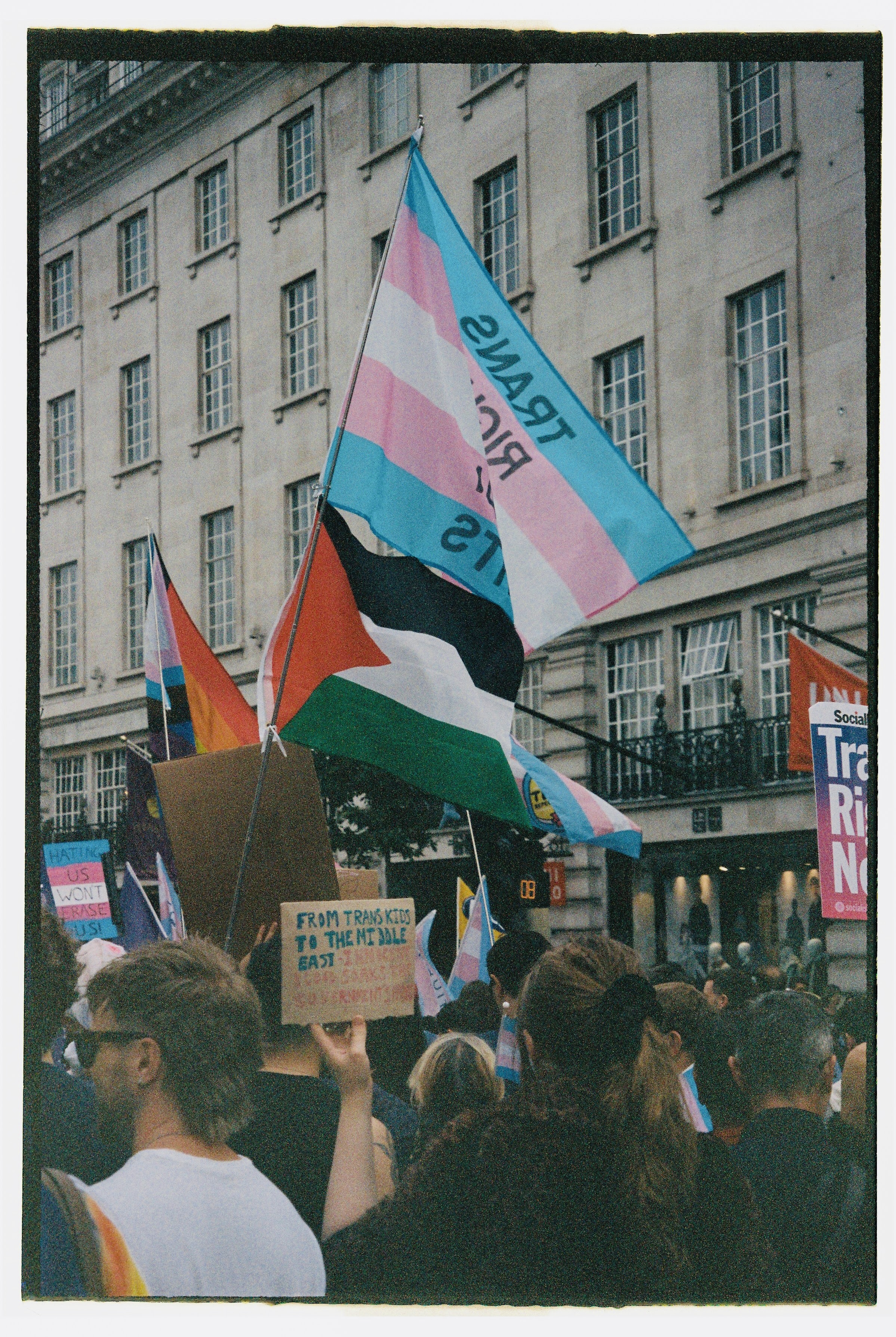
But for the activists who have been in the trenches for decades, corporate allyship is too often two-faced, extending a rainbow flag with one hand while the corporate lobbying arm quietly writes campaign cheques to politicians drafting anti-equality legislation. That isn’t support, it’s an insult.
In my line of work, I’m less interested in policing which brands attend Pride, and far more invested in asking them the hard questions before they show up.
The data paints a bleak picture of public trust. In the UK, 79% of LGBTQ+ people believe corporate Pride campaigns are driven by PR and image management, with only 12% believing in their sincerity. The very community these campaigns claim to champion is their harshest critic.
Ireland, interestingly, remains more receptive. The 2025 Ipsos LGBT+ Pride Report found Ireland to be among the most supportive countries surveyed on a range of LGBT+ inclusion measures. A robust 54% of Irish people actively support brands taking a stand for equality, well above the global average of 41%. We have a genuinely progressive consumer base, creating a real opportunity for brands willing to meet it with honesty.
But Irish consumers are sophisticated. They know the difference between a company with skin in the game and one that simply swapped its Instagram profile pic for the month of June. They are moved by companies that implement tangible policies supporting their LGBTQ+ employees and customers. The bar isn’t a banner. It’s behaviour.
At Dublin Pride in 2025, a wave of US multinationals, including job-search platform Indeed and MasterCard, quietly withdrew their sponsorships, leaving the event with a €50,000 budget shortfall. This was no coincidence. It tracked directly with the political pressure intensifying back in the States. When the heat got turned up, Irish allyship was the first thing to go. The rainbow, it turned out, was a fair-weather policy.
Before you show up with the confetti, do the structural work. That means having bulletproof internal policies you can point to. It means hiring and fairly compensating queer creatives to lead campaigns, rather than just running copy past someone for a token diversity sign-off. It means ensuring your legal department, procurement team, government relations function, and marketing team are all operating with the exact same values. It means knowing exactly where your political donations go.
Critically, it means holding the line when it gets difficult. Brands that attempt to find a middle ground under pressure don’t end up safer. In the US, Target pulled back its Pride collections after right-wing threats, scaled back its DEI commitments, and subsequently reported disappointing earnings and declining comparable sales. Retreat is not a risk management strategy; it just merely trades one kind of loss for another.
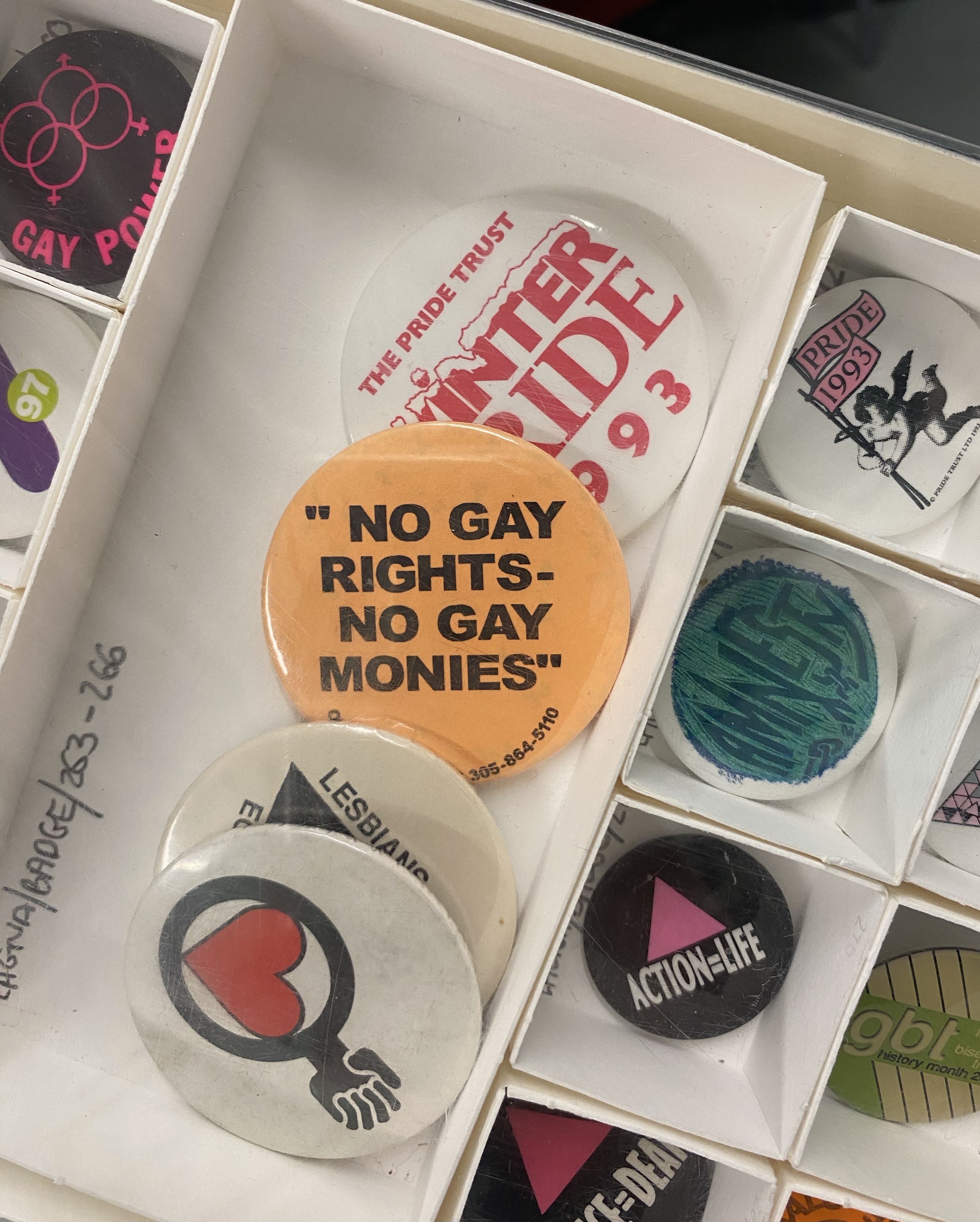
Meanwhile, groups like Trans and Intersex Pride Dublin have built something that requires zero corporate validation, a fully autonomous, community-funded model centering trans, non-binary, and disabled queer voices without the suffocating complications of brand guidelines or parent-company politics. It’s a vital reminder of what Pride is actually for, and a standard that genuine allyship should be moving toward, not running away from.
I work in an industry I love, doing work I genuinely believe matters. I still believe that communication has the power to shift the dial, including how corporations understand their responsibilities to the communities they claim to stand with.
When I think about my teenage self at that first Pride, I don’t want to be cynical about what corporate presence meant to him. But I also know that what that teenager needed, and what any queer young person today needs, goes far beyond a logo on a float.
At 17, I needed the baseline visibility of a rainbow to know I wasn’t alone. In 2026, my community needs the structural protection of policy to know we are safe.
We need frameworks applied before campaigns are signed off. We need to push clients toward accreditation through schemes like Certified Proud. We need to ask the hard structural questions before the first rainbow asset gets briefed in.
The brands that earn genuine trust in 2026 won’t be the ones that did the most visible thing. They will be the ones that did the most honest thing. Pride began as a protest, and it remains one. Every brand that wants to be part of it needs to understand, clearly and unequivocally, exactly what they are protesting against.
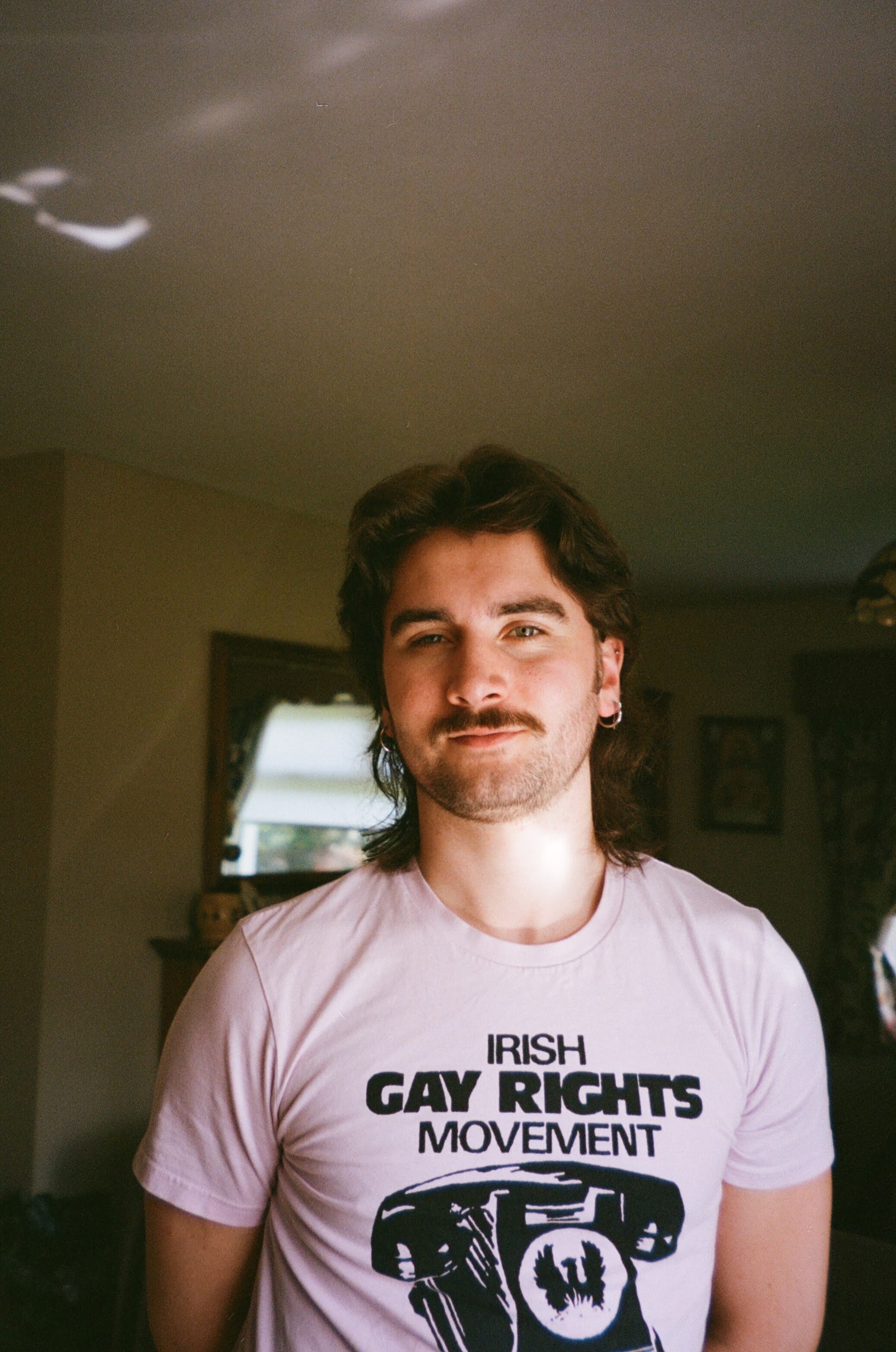
Visit www.harrispr.ie/nominate today to nominate an LGBTQ+ organisation for our Harris Helps initiative. We support incredible organisations every month and shine a light on the important work they do.